It’s been a busy fall at the Fort Worth Zoo with baby animals making their debuts in September and October.
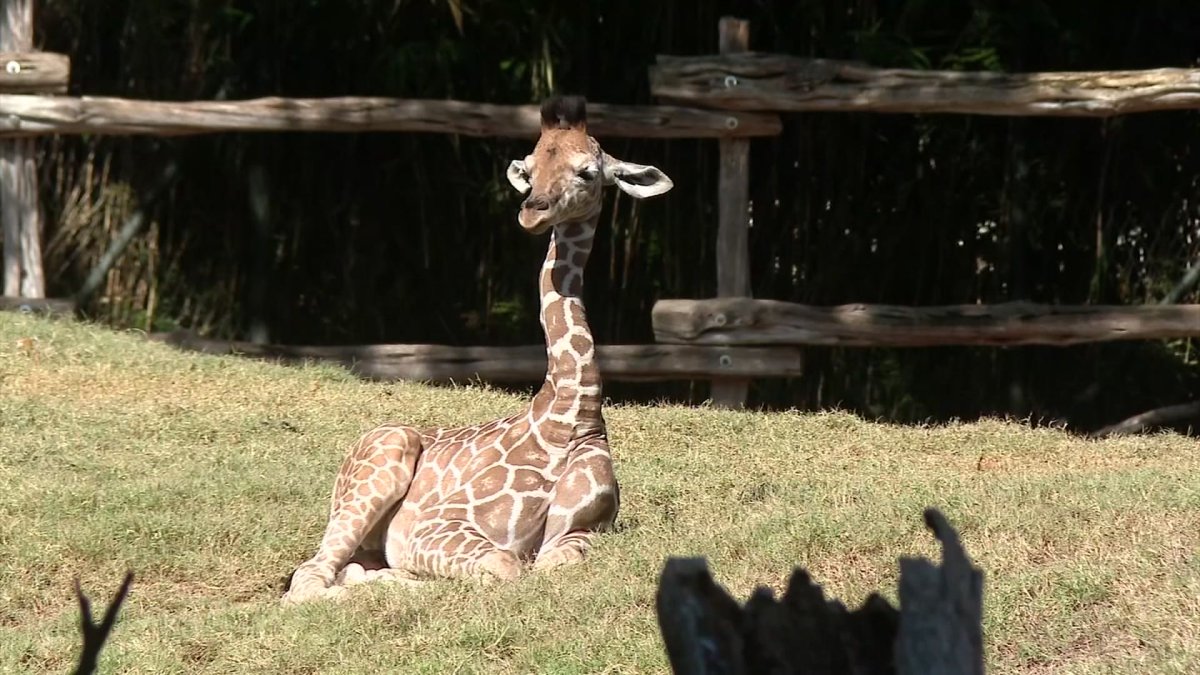
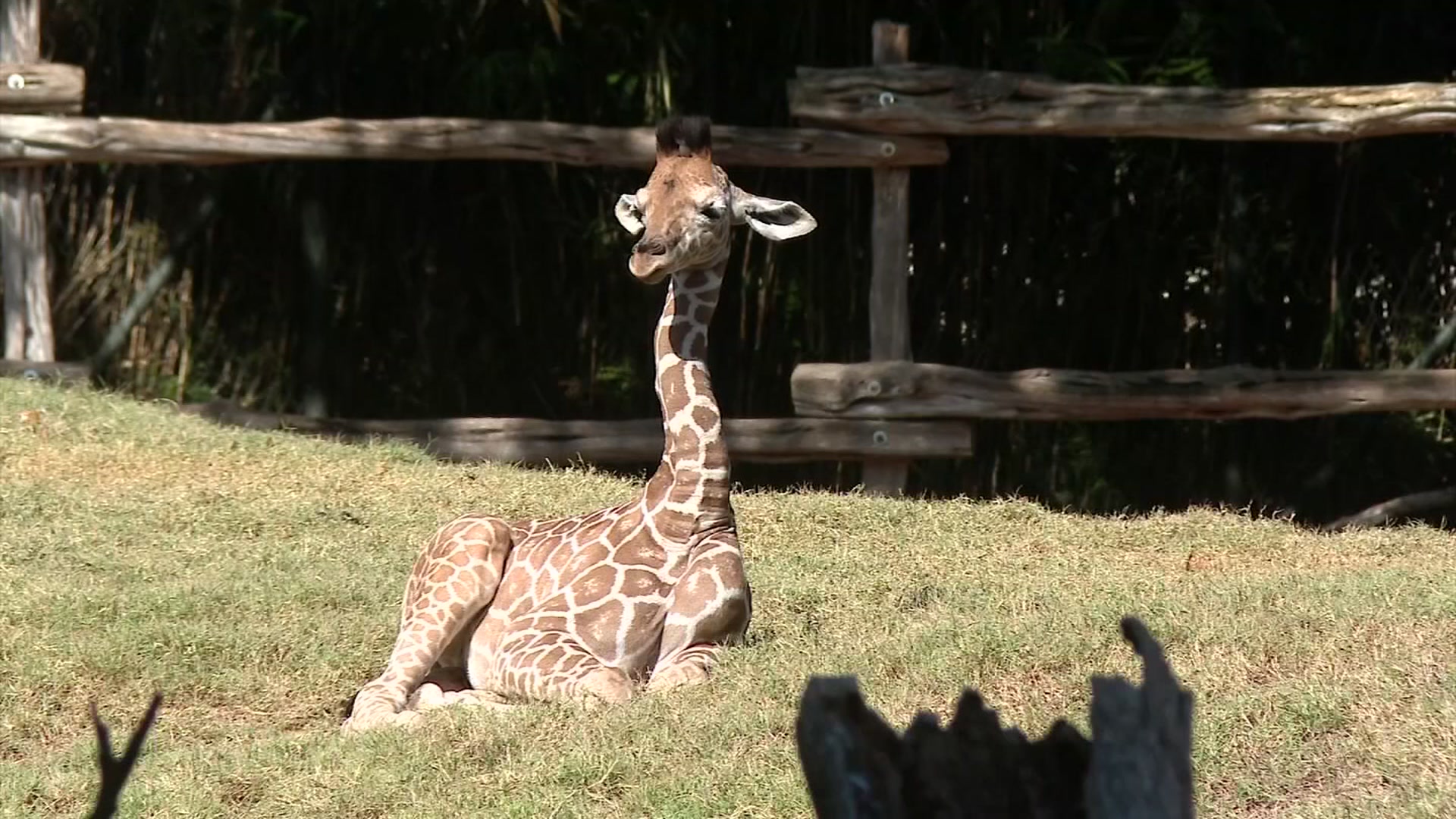
A pair of sibling cubs on Sept. 9; an Asian elephant calf on Sept. 26 and a giraffe calf on Oct. 31. The zoo considers each birth a conservation success.
“Debut is crazy. People just, they pile in. And, you know, it’s too wonderful. Baby anythings, right, are adorable. We’ve had a birth in each of the new habitats this fall. So I think everybody’s pretty happy with their lives,” said Ramona Bass, the zoo’s philanthropist, visionary and champion for 40 years.
She often tells the story about the first time she saw the Fort Worth Zoo. It was 1983 and she was on a date with her fiancé, Lee Bass. What she saw horrified her and her soon-to-be husband encouraged her to do something about it.
“It’s been my life’s work and it’s given me so much joy. Thank God for the Fort Worth Zoo. So, I found my calling early and I’m so thrilled that I did,” she said. “I would like to share that I have the most marvelous husband who’s very quiet and very shy and stays out of the limelight. But he has supported me the whole way through this. And I couldn’t have done it without him at all.”
She started by recruiting a group of native Fort Worthians to her cause, most notably the Tennison family. The group reestablished the Fort Worth Zoological Association and created a new board of directors and executive committee.
In 1990, the association approached the zoo’s owner, the city of Fort Worth, about creating a public-private partnership to manage the zoo. The deal was signed in 1991 and Bass got even busier raising money and awareness of the zoo.
Changes and recognition seemed to come every year, the zoo’s reputation for conservation and education grew and a million visitors a year followed.
“Having people love wildlife is the first step in having them want to take care of it. That’s really the plan,” she said.
In 2016, the zoo announced a Wilder Vision, a $130-million capital campaign and master plan. It was the single largest fundraising effort in Fort Worth Zoo history. Nearly a decade later, three of four new habitats on the list are done. And it’s in those three habitats where the babies debuted this fall.
The African Savanna is home to Pancake. At 5’8″, he’s the zoo’s smallest giraffe calf. So the staff considered him a short stack.
Elephant Springs is the expanded habitat for the zoo’s elephant herd. It’s a popular spot with the arrival of Lady Birdthe zoo’s first Asian elephant calf since 2013.
Predators of Asia and Africa features some of the most skilled hunters of the animal kingdom and a pair of sibling lion cubsImara, the female, and her brother Tamu.
The fourth and final phase of A Wilder Vision is targeted to open in 2027. Forests and Jungles of the World will transform the heart of the zoo right before Texas Wild!, which was Bass’ first project.
An animal found only in the deepest parts of the Democratic Republic of Congo rainforests will live there – the okapi.
“They look like sort of half giraffe, half zebra. They’re dark with stripy legs and they’re fascinating, beautiful creatures,” Bass said. “We’re very excited.”
Two more species are on the way, too, by popular demand. A rodent called a capybara is in the plan.
“It’s a funny little creature from South America, and apparently it’s all the rage with young people,” Bass said. “And, when we ask people to tell us what this zoo was missing. What did they wish we had? They answered a sloth. And, so we’re adding a sloth.”
Credit social media and viral moments for the request and a zoo champion with a wild vision willing to make it happen.
“I’m always like, OK, what’s next, what’s next, what’s next? Get it done. And every once in a while, I do have to look around and say, ‘Wow, we’ve really done something special here,’” Bass said.
اترك تعليقاً