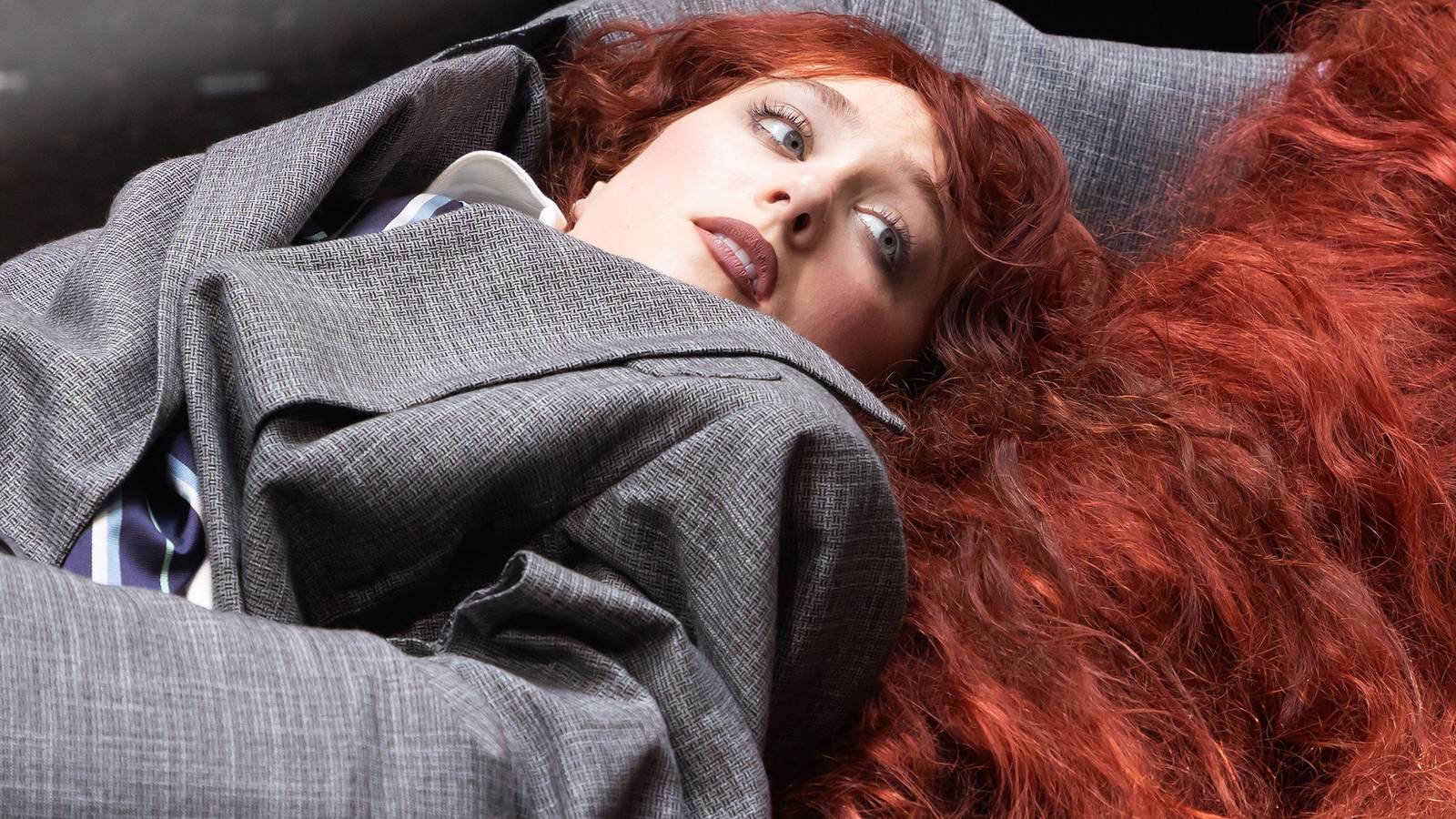
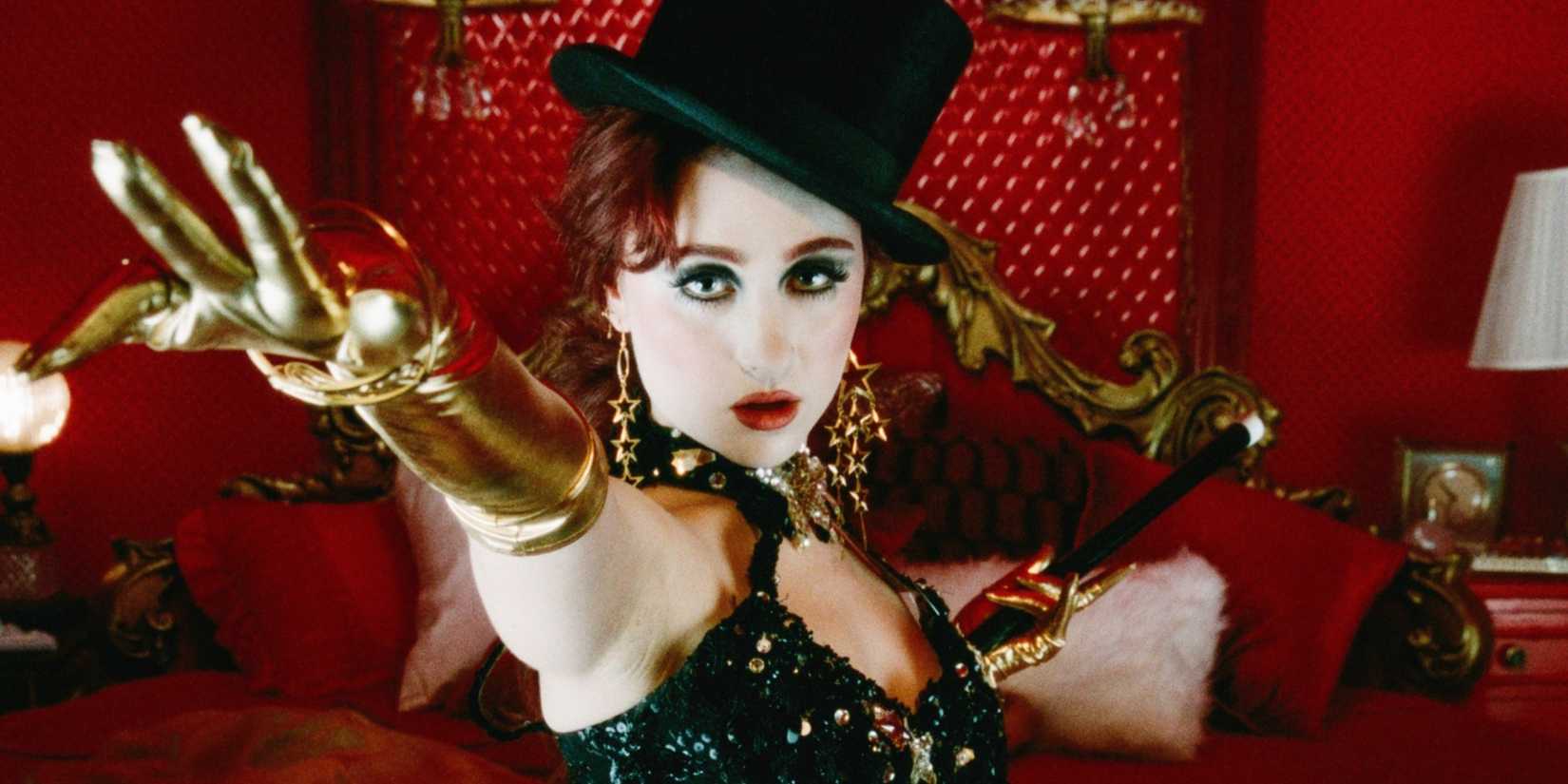
Every once in a while, an artist cuts through the static of pop’s constant churn and makes everything feel alive again. Right now, that artist is Chappell Roan. She’s the kind of star who doesn’t feel like she was assembled in a label meeting and churned out with a multi-prong marketing campaign. She feels discovered, like she’s always been here waiting for the rest of us to catch up.
After earning Best New Artist at the 2025 Grammys, Roan is no longer on the rise, she’s in the middle of a takeover. She’s got the momentum of an artist people believe in, not just stream out of curiosity. And for a genre long obsessed with polish, her rough edges are what make her feel essential.
From Missouri To The Main Stage
Before the wigs, the pink Civic, and the thousands of fans in coordinated glitter, Chappell Roan was just Kayleigh Rose Amstutz from Willard, Missouri—a small-town songwriter with a big voice and even bigger heartbreak.
She signed her first record deal as a teenager, dropped an EP (School Nights), and seemed destined for mainstream success—until she was quietly dropped. Most would’ve vanished from the algorithm, but Roan went home, waited tables, and rebuilt. She renamed herself after her late grandfather, repainted her car pink, and started over.
The result was The Rise and Fall of a Midwestern Princess—part heartbreak diary, part queer victory lap, and all attitude. Critics loved it, fans devoured it, and Elton John called her “the real deal” on his Apple Music show. It sounded like someone finally being heard on her own terms.
What Makes Chappell Different
It’s not just the songs, although they’re excellent—”Pink Pony Club” still feels like a manifesto for the misfitsand “Casual” remains one of the most brutally honest breakup songs of the decade. It’s the way Roan inhabits her work. She sings like she’s still stunned that anyone’s listening, and that sincerity lands harder than any choreographed perfection could.
Her live shows are part theater, part release. She surrounds herself with drag performers, not as accessories, but as peers. She cracks jokes between songs, changes makeup mid-set, and talks to the crowd like it’s a sleepover. It’s campy without the irony, intimate without the polish. You leave feeling like you’ve seen a person, not a brand.
Roan’s rise feels organic because it actually is. She built her fanbase on word of mouth, TikTok edits, and shared vulnerability—not some manufactured “era” rollout. Her fans post homemade recreations of her stage looks, paint their cars pink in tribute, and treat her songs like emotional lifelines.
There’s a sense of loyalty that most pop stars would kill for—because she’s given people something real to hold on to. She’s made queerness, heartbreak, and Midwestern weirdness not just visible, but aspirational. In an age of “relatability” as well as branding, Roan’s version feels unfiltered.
And when she’s not performing, she’s still magnetic—equal parts deadpan and disarming. Her humor and bluntness have made her one of the few artists who can go viral for something that isn’t a PR stunt.
Why Now?
Year-end lists aside, although I can’t lie, the time when us editors can’t stop churning those out is now. I’ve been watching Roan’s ascent for a while, quietly. You learn to wait before you call it—most artists don’t last past the hype cycle. But this one’s different. Roan has reached that point where there’s too much momentum to slow down.
The Grammy was the industry’s official acknowledgment, but she’d already broken through months earlier. Her Tiny Desk performance went viral for being funny, unpolished, and heartbreakingly good. Her summer festival sets drew crowds that dwarfed the acts billed above her. Designers are now courting her for fashion week, and streaming data backs it all up—not a spike, but a steady climb.
Pop music is cyclical, sure. But every so often, someone bends the cycle into a new shape. That’s what’s happening here. Roan is shifting the mood of the genre. She’s making sincerity cool again—something pop forgot it could be.
Roan’s 2026 headlining tour is already shaping up as her next defining chapter. The venues are bigger, the production’s sharper, and the expectations are finally where they should be. What’s more interesting is that she doesn’t seem remotely intimidated by any of it.
Her appeal isn’t built on mystique; it’s built on approachability. You can’t fake that. She’s the same artist who once wrote songs alone in her bedroom, only now the bedroom’s a stage—and the audience knows every word.
The comparisons to Lady Gaga’s early years come easy, but Roan’s trajectory feels less like imitation and more like evolution. She’s got the theatrical instincts of a born performer and the self-awareness of someone who’s lived through rejection. She knows exactly how lucky she is to be here, and she’s not wasting it.
The Bigger Picture
Roan’s rise says a lot about where pop is headed. For years, the genre was obsessed with control—image, narrative, algorithmic precision. Now, the pendulum is swinging back towards personality. People want artists who feel unpredictable again, who remind them why live music still matters.
That’s why Chappell Roan is cutting through. She’s not over-styled or overly managed. She’s a songwriter with a sense of humor, a performer with no interest in being anyone’s product. She’s giving people what pop used to give—emotion, connection, catharsis—but in a language this generation actually speaks. If 2025 was her breakout, 2026 will be her victory lap. She’s earned every bit of it.
Pop doesn’t often hand out second chances, but Chappell Roan turned her into a career worth believing in. She’s loud, sincere, and gloriously specific. She’s the Midwest at midnight in a sequin dress, singing her way out of heartbreak and into history.
Call it a comeback story if you want. I’d just call it overdue.
- Date of Birth
- February 19, 1998
- Active
- Yes
- Number of Album(s)
- 1
Source link
اترك تعليقاً